Lately, there is a growing trend where clients contact us about redoing limewash application projects originally completed by another contractor.
Why Getting It Right the First Time Matters
However, lately, we’ve been seeing more projects where homeowners hire us to redo a previous limewash application that didn’t turn out as expected. Sometimes the finish looks streaky, sometimes the texture feels too heavy, and in other cases, what was sold as genuine limewash doesn’t appear to be limewash at all.
Can you fix a bad limewash application?
So, what causes a limewash application to fail, and how can you avoid paying twice for the same project? Let’s take a closer look.
Inexperienced Limewash Applicators
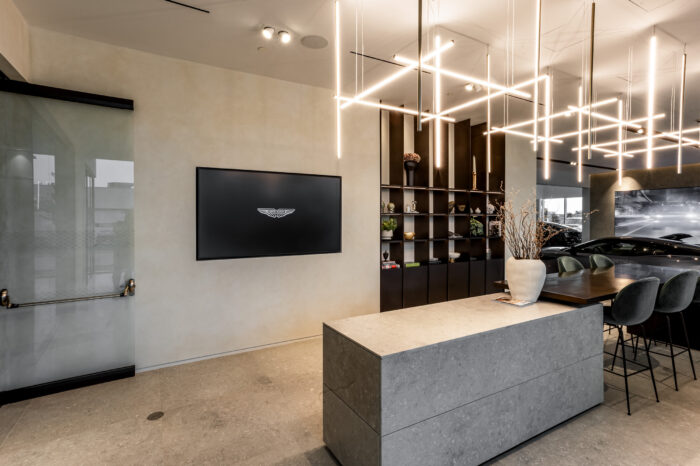
Unlike conventional paint, limewash is applied using specific techniques that create movement, tonal variation, and depth. The final result depends on several factors, including brushwork, application patterns, drying conditions, the number of coats, and the preparation of the surface.
An inexperienced applicator may apply the material too heavily, create inconsistent patterns, or fail to understand how the finish will develop as it dries. The result can look patchy in an unattractive way, excessively streaky, or simply different from the inspiration images the homeowner originally provided.
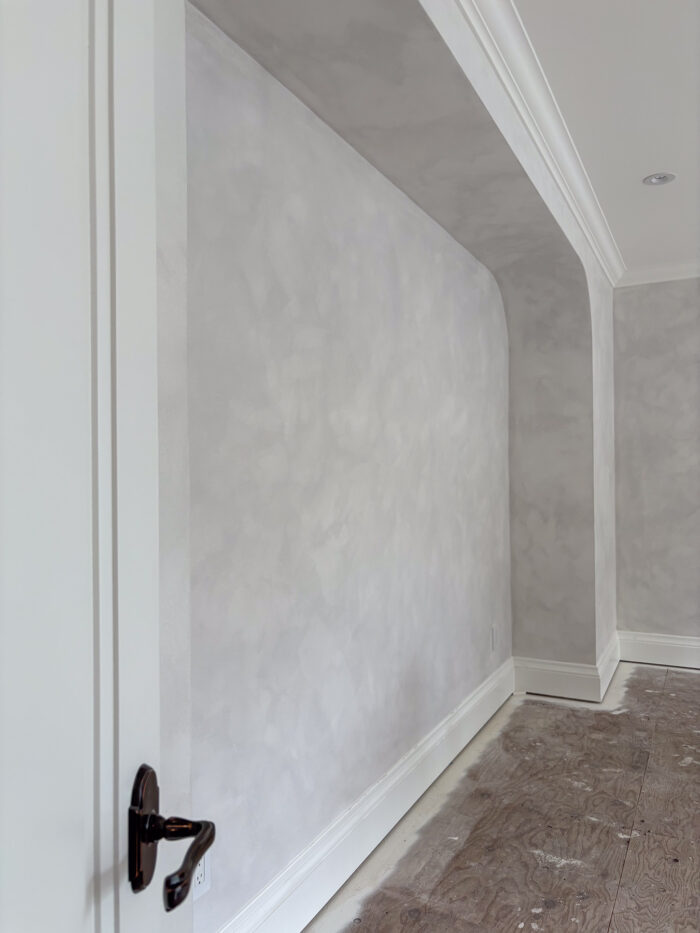
It’s important to understand that natural variation is part of limewash’s beauty. However, there’s a difference between an intentionally organic finish and an application that looks unfinished or poorly executed.
Proper technique is what makes the difference. A professional limewash applicator understands how to create a balanced finish while preserving the natural character of the material.
Before hiring a contractor, ask to see completed projects, preferably in person or through detailed photographs of real installations. Even better, look for examples of work completed in spaces similar to yours.
Skipping Essential Preparation Steps
Although limewash is often associated with natural, traditional materials, it cannot simply be applied to any wall without considering what’s underneath. The existing paint, substrate, surface condition, and manufacturer’s requirements all influence the final result.
Depending on the product and the existing wall, preparation may involve cleaning, repairing imperfections, sanding, applying a suitable primer, or creating the correct base for the limewash.
For example, some limewash systems require a specific primer to promote proper adhesion and help achieve a consistent appearance. Applying the finish directly over an unsuitable surface can lead to inconsistent results or adhesion problems.
Wall colour can also matter. Many limewash colours are translucent or respond to the base colour, so a white or appropriately prepared base may be necessary to achieve the intended finish.
Skipping these steps might save a little time at the beginning, but it can create much bigger problems later.
When correcting a failed application, the existing finish must first be assessed. In some cases, the walls can be prepared and recoated. In others, additional sanding, repairs, removal of incompatible materials, or a new primer system may be necessary.
This is why proper preparation should never be treated as an optional extra. It is an essential part of achieving a beautiful, durable result.
Why Does Limewash Look Streaky or Uneven?
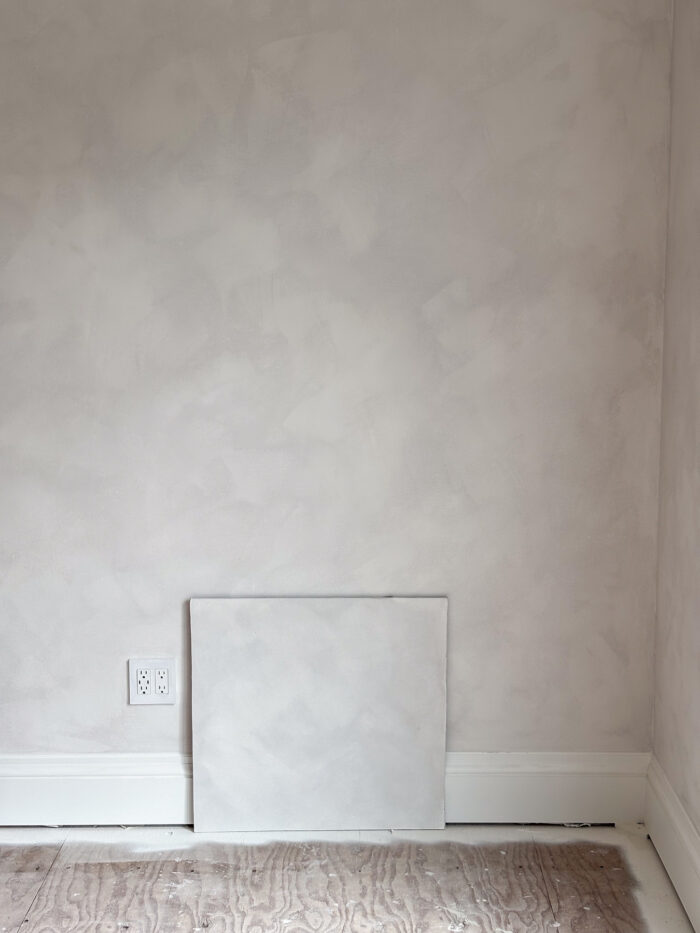
Limewash can look streaky or uneven when the wrong application technique is used, the wall is not properly prepared, an unsuitable primer is applied, or the product is incompatible with the existing surface. The natural variation of limewash is part of its appeal, but excessive streaking, inconsistent coverage, or an undesirable texture may indicate an application problem.
If your limewash walls do not look as expected, the first step is to assess the existing product and surface before applying another coat. Depending on the cause, correcting the finish may require additional preparation, sanding, repairs, or a compatible primer and reapplication.
Choosing a Low-Quality Limewash Product
Different manufacturers use different formulations, ingredients, and application systems. These differences can influence the appearance, texture, coverage, workability, and overall character of the finished wall.
Some products are formulated to create a more natural, mineral appearance, while others contain additional binders or other ingredients that affect their behaviour and finish. The presence of additives alone doesn’t automatically make a product inferior; what matters is the formulation, its intended use, and how well it performs as a complete system.
At Paint Club, we place particular emphasis on premium limewash products, including Bauwerk Colour. We appreciate the brand’s distinctive aesthetic, natural-looking colour variation, and the character it brings to interior spaces.
However, even a premium product cannot compensate for poor preparation or incorrect application techniques.
It’s also worth remembering that you cannot always achieve a particular look simply by switching to a different limewash brand. Two products may have similar colour names but produce very different results because of their formulations and application methods.
If you have a specific look in mind, share your inspiration images with the company you’re considering hiring. Discuss the texture, colour variation, level of contrast, and overall appearance you want to achieve.
An experienced applicator should be able to explain whether the chosen product can realistically reproduce that look, what preparation is required, and what variations you should expect.
The goal is to select the right product and application system for your project, rather than choosing a product based on its name or colour alone.
How To Know When It's Not Actually Limewash?
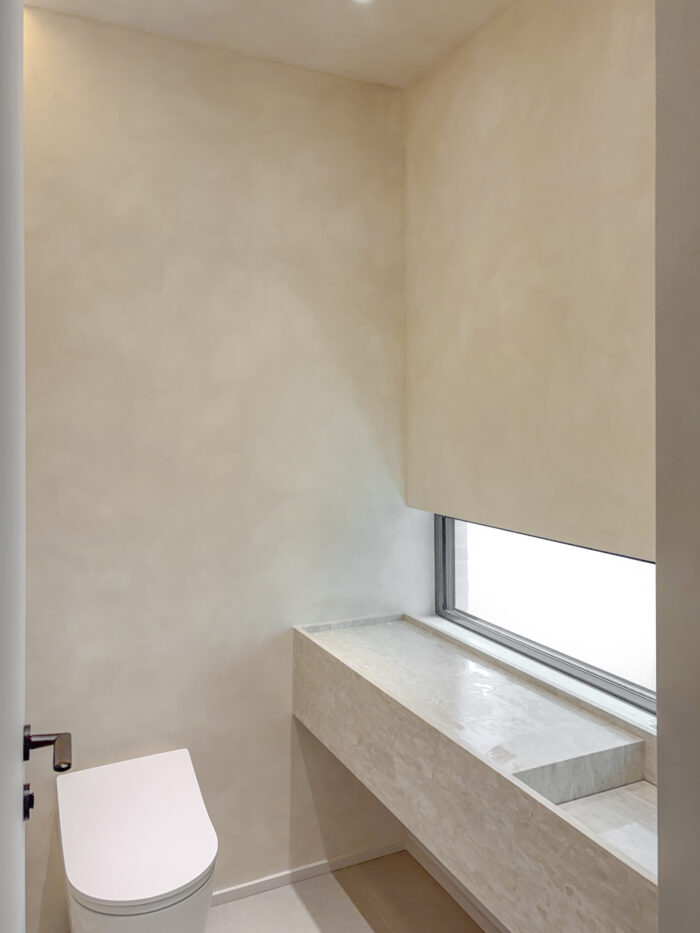
On some projects, the existing finish appears to have been created using conventional latex paints rather than a genuine limewash product. In certain cases, two paint colours may have been combined or applied in different patterns to imitate the cloudy, mottled appearance associated with limewash.
There is nothing inherently wrong with decorative paint techniques when they are presented honestly and the client understands what they’re purchasing. Faux finishes can be a legitimate design choice.
The problem arises when a client pays for a genuine limewash application but receives something entirely different without being informed.
Although a faux finish might look convincing in a photograph, it can appear very different in person. Conventional paint techniques may lack the depth, subtle mineral variation, and distinctive character of an actual limewash finish.
The difference can become especially noticeable under changing natural light, where the wall’s texture and tonal variations are more apparent.
If you specifically want genuine limewash, make sure you ask which product will be used. Request the manufacturer’s name, confirm the product specified in your quote, and ask to see examples of completed projects using that material.
You can also request a sample board prepared with the actual product and application technique intended for your walls.
A professional contractor should be comfortable explaining the materials being used and helping you understand what you’re paying for.
Why Redoing Limewash Can Cost Almost Twice as Much?
This flexibility allows it to work across a wide range of interiors, from modern Toronto homes to
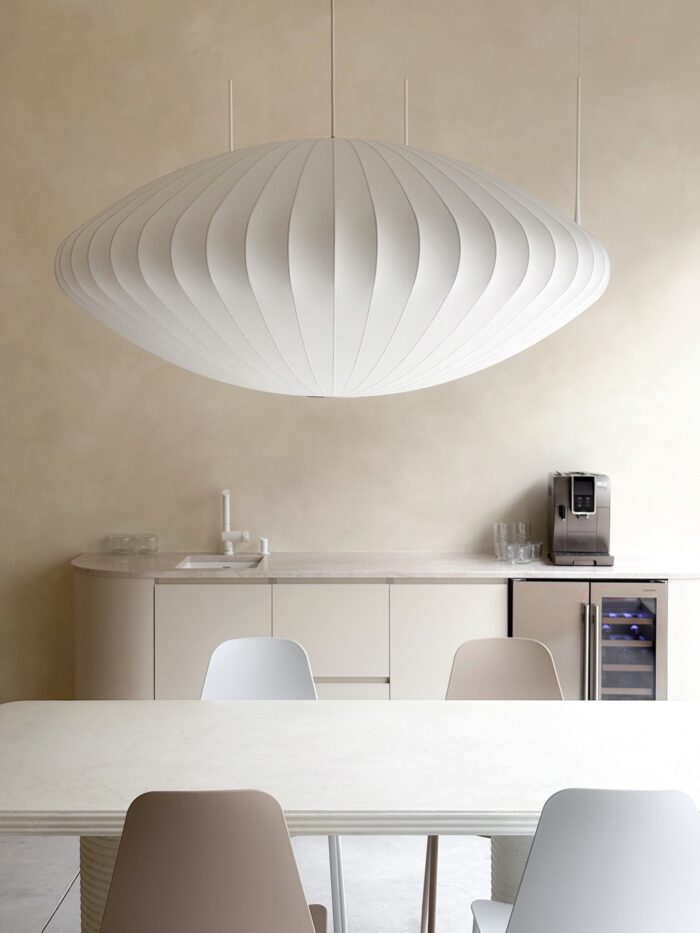
One of the biggest misconceptions is that a failed limewash application can simply be covered with another coat.
Unfortunately, it’s rarely that straightforward.
Before starting a correction, the existing finish needs to be assessed to determine what’s underneath, whether the material is compatible with the intended limewash system, and what condition the walls are in.
Depending on the situation, the process may involve:
- Removing or correcting an unsuitable existing finish.
- Sanding and repairing damaged or uneven surfaces.
- Preparing the substrate to meet the new product’s requirements.
- Applying an appropriate primer or base coat.
- Reapplying the limewash using the correct technique.
Each of these steps takes additional labour, time, and materials. Some existing finishes may also be difficult to remove without damaging the underlying surface.
For example, a wall that was never properly primed or was coated with an incompatible decorative product may require considerably more preparation than a wall that’s ready for a standard limewash application.
This is why the cost of redoing a failed project can approach twice the original price in some circumstances. The homeowner is effectively paying to correct the first application before paying for the new one.
Of course, every project is different, and not every imperfect finish requires a complete redo. Sometimes targeted corrections are possible. The best approach depends on the existing materials and the result you’re hoping to achieve.
Nevertheless, investing in the right contractor and preparation from the beginning is often the more economical choice.
How to Avoid Limewash Problems Before They Start?
Here are a few things we recommend discussing with your limewash contractor:
Ask about their experience. Look for a company that specializes in decorative finishes and can demonstrate experience with genuine limewash applications.
Confirm the product. Ask which brand and product will be used, and make sure it matches what you’ve agreed upon in the quote.
Share your inspiration images. Explain the look you’re trying to achieve and ask whether the proposed product and technique can deliver a similar result.
Discuss wall preparation. Ask whether repairs, sanding, primer, or other preparation will be necessary. The contractor should assess your existing walls rather than assume every surface is ready for limewash.
Request a sample. A sample board can help you understand the colour, texture, and variation before committing to the entire space. Whenever possible, review it under the lighting conditions in which the finish will be seen.
Understand the scope of work. Make sure your quote clearly identifies the materials, preparation, application, and finishing steps included in the project.
Taking a little extra time at the beginning can help you avoid unnecessary stress and unexpected expenses later.

Final Thoughts: Beautiful Limewash Starts with the Right Approach
However, when the wrong materials are used, preparation is skipped, or the application is carried out without sufficient experience, the result can fall short of expectations.
At Paint Club, we believe homeowners should receive the finish they were promised. Seeing clients spend additional money correcting a previous application is never an ideal situation, particularly when many of these problems could have been prevented from the start.
If you’re considering limewash for your home or commercial space in Toronto or the GTA, take the time to choose a contractor who understands the materials and the techniques involved.
And if you already have a limewash finish that isn’t looking right, don’t assume the only solution is to cover it with another coat. An assessment of the existing surface can help determine the most appropriate way forward.
At Paint Club, we specialize in limewash and other decorative wall finishes, helping homeowners, designers, and businesses achieve thoughtful, beautifully executed results.