Limewash vs. Lime Paint
Understanding the distinction matters because choosing the right one will influence not only the look of a space, but also its texture, mood, and even how the walls interact with light. So, let’s break it down.
The Fluid Elegance of Limewash
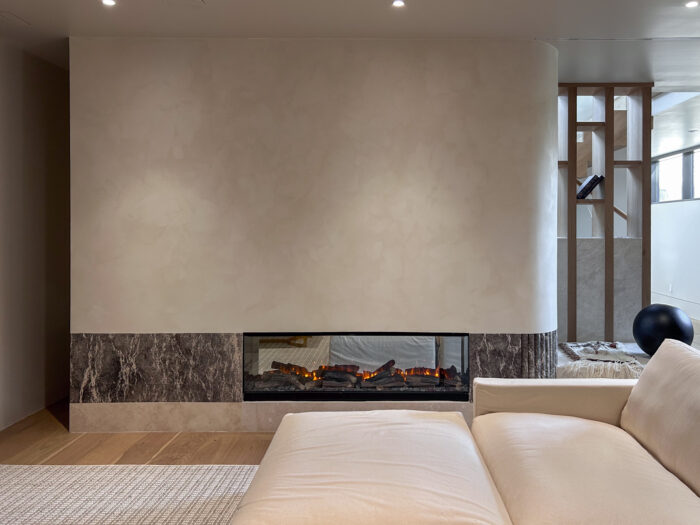
In terms of application, limewash is brushed on with large masonry brushes. The brush strokes remain visible, creating that characteristic, cloudy, soft movement across the surface. It feels almost like watercolour for walls—transparent in places, deeper in others, and always alive with subtle variation.
Because limewash is diluted, the finish is lightweight. It rarely adds texture that you can feel with your hand. Instead, it gives the impression of depth, almost like a stain seeping into stone or plaster. When light passes across it, the wall shifts in mood throughout the day, glowing in sunlight and softening in shade.
The Tactile Depth of Lime Paint
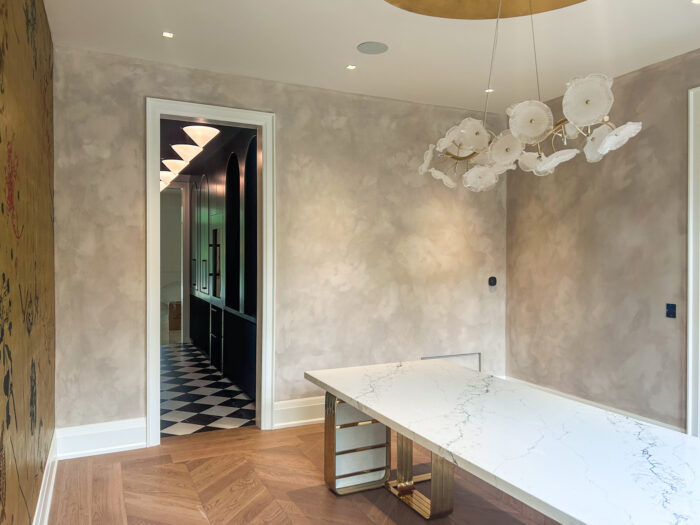
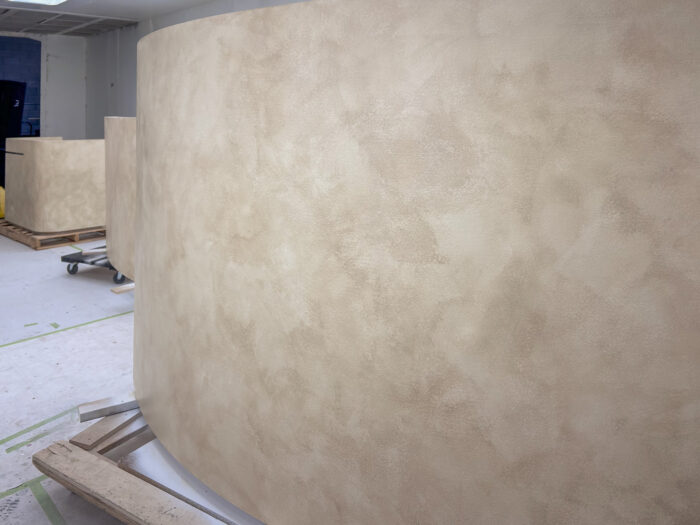
Where limewash whispers, lime paint speaks. Run your hand along a lime-painted wall, and you’ll feel the ridges and movement of the trowel work. It’s not just visual; it’s sculptural.
Because it is denser, lime paint offers more coverage and can be manipulated into a variety of effects. Depending on the artisan’s technique, it can look rustic and earthy or sleek and refined. It has weight, presence, and a sense of permanence that limewash, with its soft translucence, doesn’t aim to achieve.
How They Differ in Atmosphere
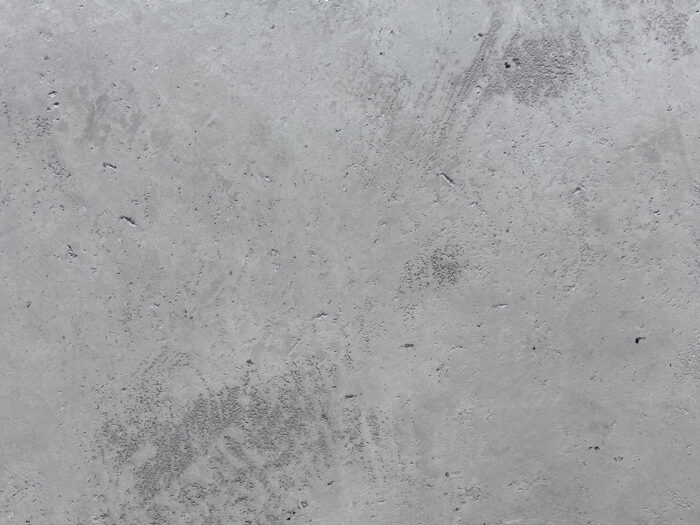
Lime paint, however, feels grounded, substantial, and architectural. The tactile texture makes walls feel almost carved from stone, lending a sense of solidity to dining rooms, feature walls, or even commercial spaces where durability and impact are key.
Why Confusion Happens Limewash Vs. Lime Paint?
Can You Use Both?
Absolutely—and in fact, combining them can bring out the best of both worlds. For example, imagine a project where the majority of the walls are treated with limewash, giving the room a soft, cloud-like atmosphere. Then, a single accent wall finished in lime paint adds depth and contrast, creating a tactile feature that anchors the space.
This pairing can be especially powerful in open-concept homes or commercial spaces. The limewash provides continuity and lightness, while lime paint introduces a statement that draws the eye and begs to be touched.

Who Wins Limewash Vs. Lime Paint?
Choosing between them comes down to the experience you want your walls to deliver. Do you want softness or solidity? Atmosphere or texture? Or, perhaps, both working together in harmony?
Either way, lime finishes bring more than just colour—they bring history, artistry, and a living connection between material and space. And that’s something ordinary paint simply can’t replicate.